
Humic Acid vs. Salinity Stress in High-Value Crops | Humicore
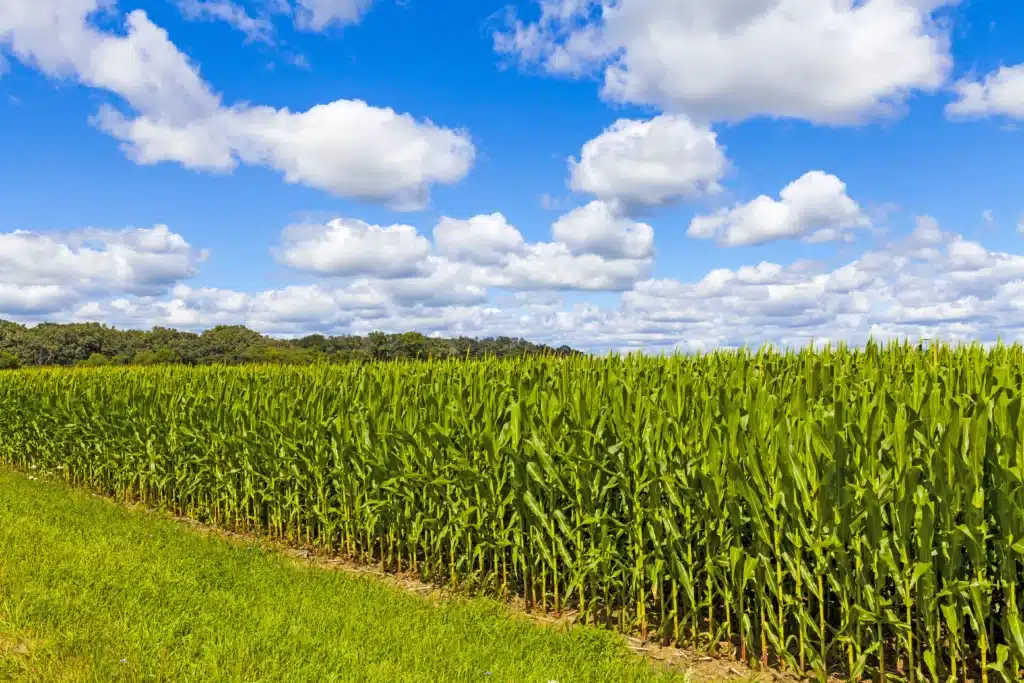
Soil salinity is one of the most acute agronomic threats facing commercial growers across the GCC, where up to 90% of farmland in regions like Al Ain (UAE) shows measurable salinity damage — the direct result of irrigating with brackish groundwater in an environment with almost no rainfall to leach accumulated salts. For producers of high-value herbs and vegetables, where margin per kilogram is the defining metric, even moderate salinity concentrations disrupt cellular water balance, lock out critical nutrients, and silently erode profitability season by season.
Restoring Saline Soils in the UAE with Humic Acid | Humicore

Soil salinity is the defining agronomic constraint across the UAE and the wider GCC. Government soil surveys in Abu Dhabi document that up to 90% of farms in key agricultural zones — including Al Ain — already exhibit damaging salinity levels, the direct result of irrigating with brackish groundwater in a climate where annual rainfall cannot leach accumulated sodium and chloride ions from the root zone. EC readings in affected UAE fields regularly exceed 8–11 dS/m, while yield suppression in sensitive crops begins at as low as 2–4 dS/m. The operational gap between field reality and productive threshold is widening every season.
Humic Acid vs. Salinity in Cauliflower Production | Humicore
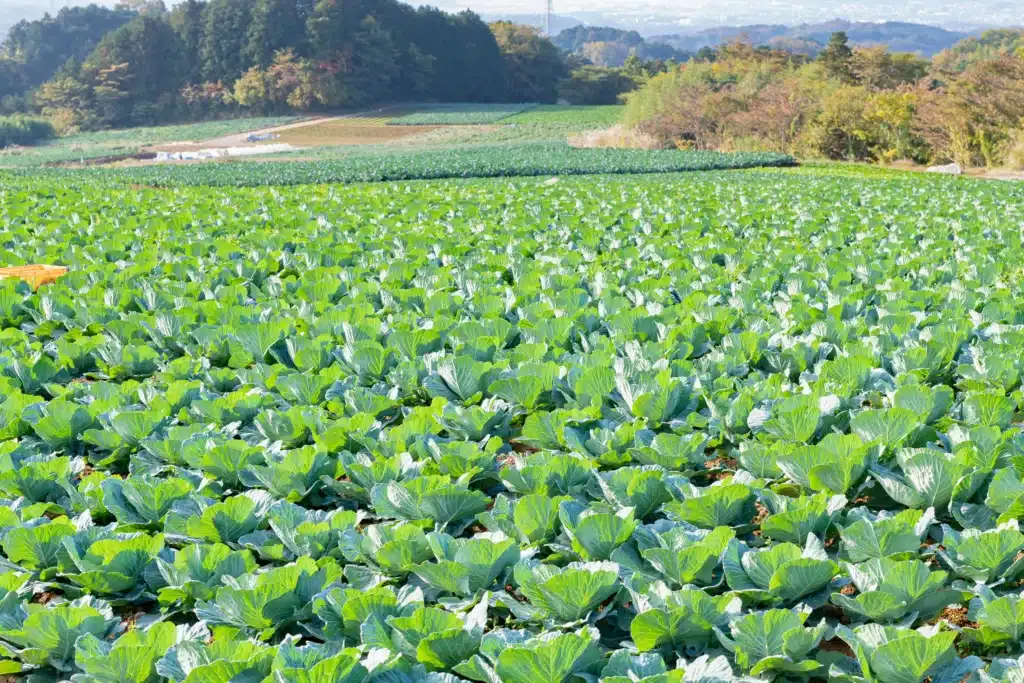
The global cauliflower and broccoli market, valued at a massive $27.9 billion in 2024, is under constant threat from environmental degradation. Currently, 20 percent of cultivated land and 33 percent of irrigated land worldwide are affected by salinity. For moderately salt-sensitive crops like cauliflower, yield depreciation begins at a severely restrictive threshold of 1.9 to 2.7 dS/m. This article synthesizes peer-reviewed agronomic data with macroeconomic trends and processing technology, demonstrating how combining precision drip irrigation, in-line moisture control, and advanced humic acid engineering can mitigate osmotic stress, recover lost yields, and build permanent soil assets.
Fulvic Acid for Broiler Carcass Yield and Meat Quality | Humicore
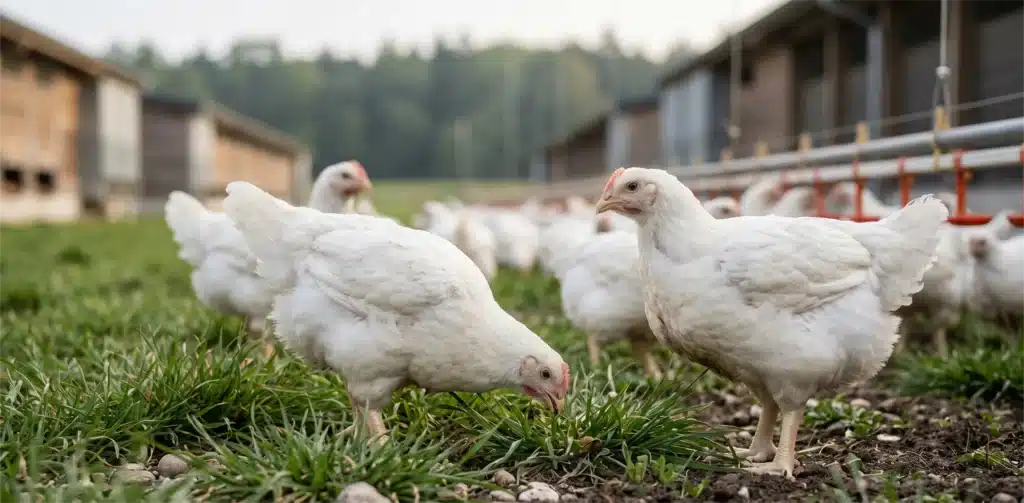
The global commercial poultry industry is actively transitioning away from the routine use of antibiotic growth promoters (AGPs) due to mounting regulatory pressure and the critical public health threat of antimicrobial resistance. This shift necessitates advanced, science-based nutritional interventions capable of maintaining intestinal health, managing physiological stress, and maximizing the genetic potential of modern broiler crosses.
Securing Maize Yields Against Drought and Phosphorus Stress with Humic Acid | Humicore
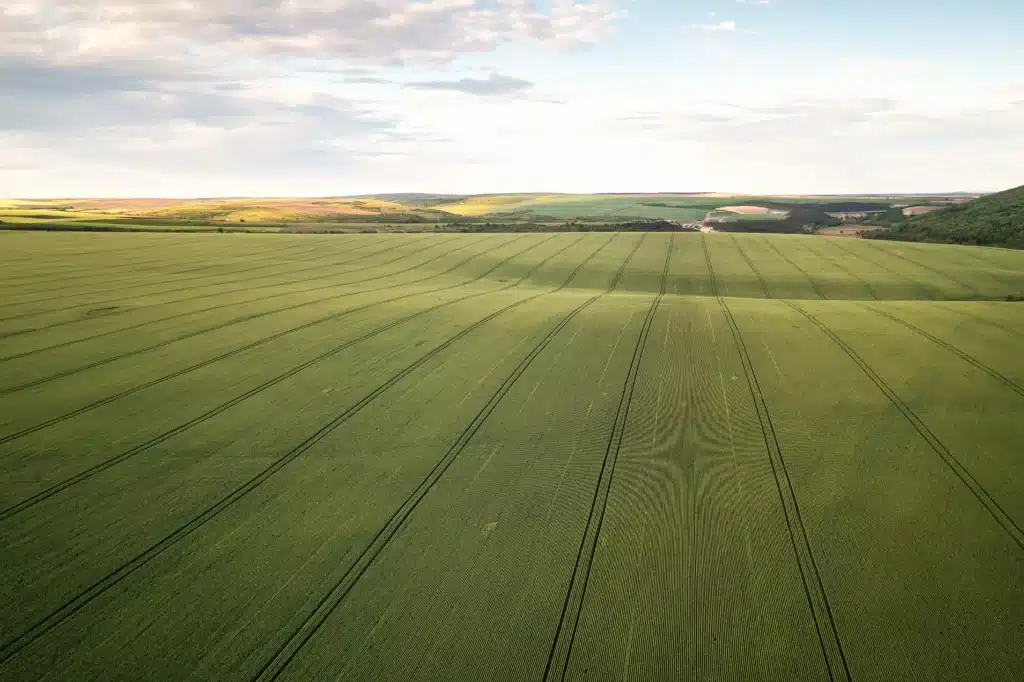
Drought is the single most destructive abiotic stress in global crop production, responsible for more yield loss annually than all other environmental constraints combined. For commercial cereal growers across the GCC — where average annual rainfall across Saudi Arabia, the UAE, Kuwait, and Oman ranges from 50 to 150 mm, and where summer temperatures routinely exceed 45°C — water stress is not a seasonal risk but a permanent production constraint. What makes drought particularly destructive in arid-region agriculture is a secondary effect that rarely receives sufficient agronomic attention: as soil moisture drops, phosphorus mobility collapses. Phosphorus reaches roots exclusively through diffusion
Humic Substances in Swine Nutrition: AGP-Free Growth Performance and Gut Health | Humicore

Intensive commercial pork production faces two constant, competing operational pressures: maximizing feed efficiency to protect profit margins and mitigating environmental impacts, specifically toxic ammonia emissions. A pivotal peer-reviewed study published in the Journal of Animal Science investigated the systemic effects of supplementing pig diets with various standardized humic substances (HS).
The empirical data demonstrates that specific dietary humic and fulvic acid profiles function as highly effective, natural performance enhancers. By stabilizing the gastrointes